




If you own a GM diesel long enough, eventually you meet the emissions system. Usually not in a pleasant way.
Maybe it starts with a DPF regen that seems to happen every five minutes. Maybe DEF warnings decide your truck’s new hobby is limiting your speed. Maybe the EGR system starts coating everything in soot like it’s trying to preserve your engine for archaeology.
Whatever brought you here, you’re probably researching GM delete kits.
Whether you’re working with an LML Duramax, an L5P, a 3.0L LM2, or a 2.8L LWN Colorado/Canyon setup, understanding what a delete kit actually includes—and what your truck needs—is the first step toward building the right off-road configuration.
Let’s dig in.
What Is a GM Delete Kit?
A GM delete kit is a collection of performance components designed to replace factory diesel emissions equipment in off-road or competition-use applications.
Depending on the platform, that can include removing or replacing systems like:
- Diesel Particulate Filter (DPF)
- Diesel Exhaust Fluid (DEF / SCR)
- Exhaust Gas Recirculation (EGR)
- catalytic exhaust restrictions
- factory tuning limitations
In plain shop language?
It’s replacing emissions-related hardware with simplified performance components designed for unrestricted exhaust flow and custom tuning.
A complete GM Duramax delete setup typically involves:
- delete piping
- race exhaust components
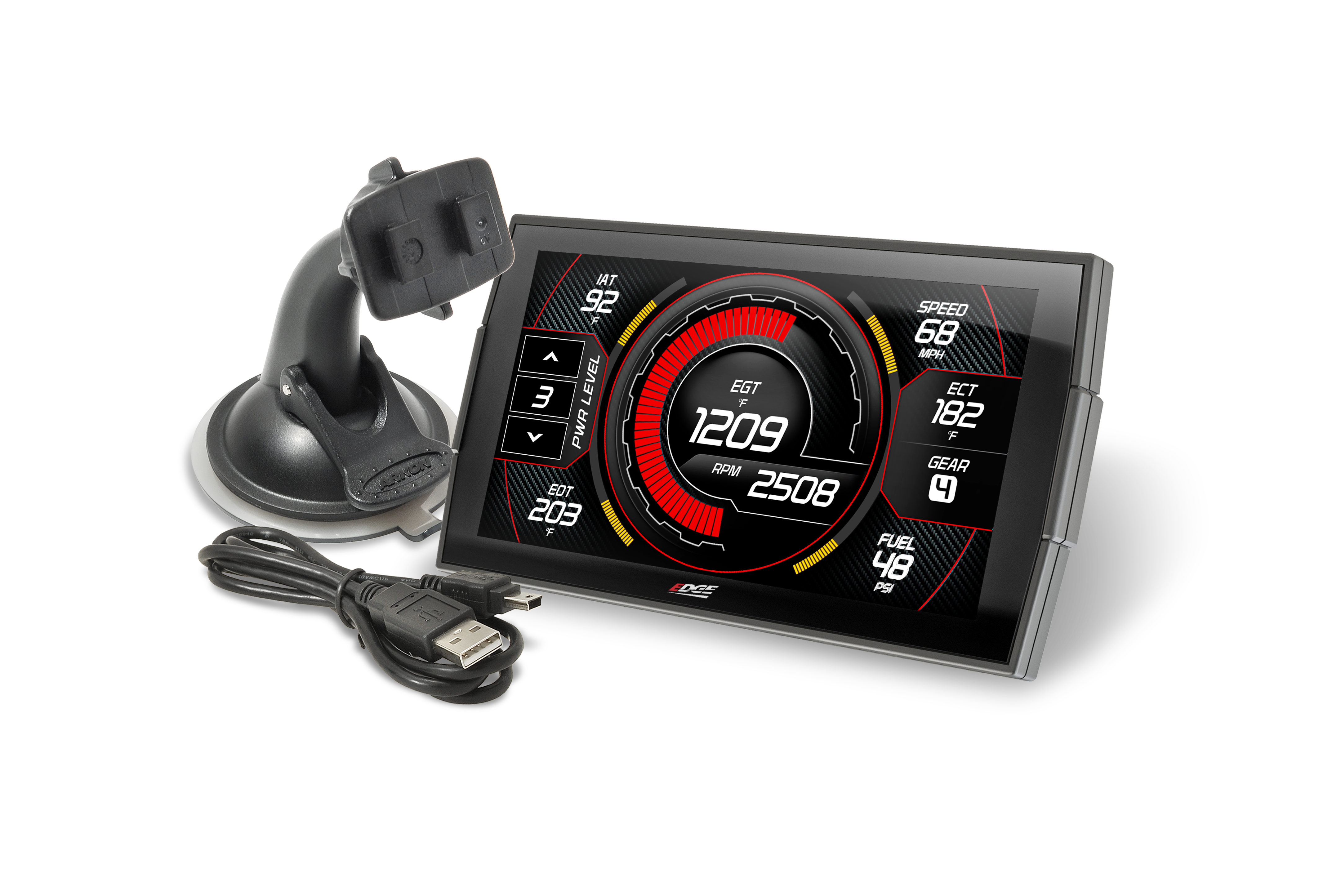
- tuning support
- ECM unlock or programming hardware (depending on engine platform)
- supporting hardware specific to the truck
Not every GM diesel uses the exact same recipe.

Common GM Diesel Platforms We Support
JS Speedshop carries GM diesel solutions across multiple platforms, so let’s break down what matters.
LML Duramax (2011–2016 Silverado / Sierra HD)
The LML is a strong platform.
Good power.
Solid aftermarket.
Plenty of tuning support.
But emissions-related reliability complaints are common, especially on higher mileage trucks.
Typical problem areas:
- frequent DPF regeneration
- clogged DPF systems
- DEF injector failures
- NOx sensor issues
- EGR soot buildup
- limp mode events
- increased exhaust backpressure
If you tow, work the truck hard, or rack up serious mileage, these systems can become a repeated source of frustration.
This is where many owners start researching complete LML delete kits.
L5P Duramax (2017–2023 Silverado / Sierra HD)
The L5P brought major improvements:
- stronger factory power
- improved turbo setup
- better drivability
- stronger transmission pairings
It also brought significantly tighter ECM security. Which means deleting an L5P isn’t the same game as older trucks.
L5P setups may require:
- ECM unlock services
- compatible tuning hardware
- specific custom calibration workflows
- platform-specific delete piping
If you’re researching an L5P delete kit, compatibility matters more than ever.
Buying random marketplace mystery parts because “the guy said it fits” is an excellent way to create expensive emotional growth.
LM2 3.0L Duramax (2020–2023 Light Duty GM)
The LM2 is GM’s modern light-duty diesel platform found in:
- Silverado 1500
- Sierra 1500
- Tahoe
- Suburban
- Yukon
These engines are efficient, smooth, and surprisingly capable. But modern emissions complexity remains.
Common owner complaints include:
- repeated DPF regeneration
- DEF system issues
- sensor faults
- derate warnings
- expensive dealer diagnostics
The LM2 requires highly platform-specific components.
This is not a “close enough” situation.
LWN 2.8L Duramax (Colorado / Canyon)
Small engine.
Legit torque.
Actually a fun platform.
Common pain points:
- DPF clogging
- EGR contamination
- regen interruptions
- sensor-related faults
These trucks often live hard lives:
- towing toys
- backroad abuse
- overland setups
- daily-driver mileage punishment
Which makes reliability upgrades a common conversation.
What’s Included in a GM Delete Kit?
This depends on engine platform, but generally:
EGR Delete Components
Where supported, EGR delete hardware removes exhaust gas recirculation from the equation.
Benefits owners often seek:
- reduced soot contamination
- cleaner intake path
- fewer EGR-related failure points
- simplified engine bay
Tuning Support
This is not optional. Modern GM diesels require proper calibration support when emissions hardware is modified.
Depending on platform, this may involve:
- custom tuning
- ECM unlock procedures
- programming devices
- bench flashing workflows
Skipping this part is how you accidentally create a very expensive driveway ornament.
Suggested Add Ons:
Delete Pipe / Race Pipe
Replaces restrictive factory emissions exhaust sections.
Depending on platform:
- DPF delete pipe
- DEF delete pipe
- cat/DPF race pipe
- turbo-back exhaust replacement
Goal:
Reduce restriction.
Improve exhaust flow.
Simplify the system.
And yes, make it sound like a diesel again.
GM Delete Kit Benefits
For properly built off-road applications, owners commonly pursue:
-
Reduced Exhaust Restriction
-
Freer exhaust flow can improve responsiveness and reduce excessive backpressure.
-
Lower EGTs
-
Helpful in performance or heavy-load applications.
-
Reduced Failure Points
-
Fewer emissions-related sensors and components can mean fewer failure-prone systems in dedicated-use builds.
-
Improved Drivability
-
Throttle response and consistency often improve with proper supporting hardware and tuning.
-
Easier Long-Term Maintenance
-
Less emissions complexity often means simpler troubleshooting.
-
And fewer moments where your truck invents a dashboard warning you’ve never seen before.
GM Delete Products Available at JS Speedshop
-
GM Duramax LLY 6.6L - EGR Delete Kit (2004.5-2005)
-
Removes the factory EGR system on LLY Duramax engines to reduce soot buildup and simplify the intake path in off-road applications.
-
-
GM Duramax L5P - EGR & Cooler Delete Kit (2017-2023)
-
Replaces the factory EGR system and cooler on L5P Duramax trucks to eliminate a common source of heat, soot, and complexity in dedicated-use builds.
-
-
GM Duramax L5P 6.6L - CCV Upgrade Kit (2017-2024)
- Upgrades the crankcase ventilation system to better manage oil vapour and help reduce intake contamination on L5P Duramax engines.
-
GM Duramax L5P - CAN BUS Plug Kit (2017-2023)
- A plug-and-play electronic solution used in certain L5P builds to properly manage CAN bus communication when modifying factory systems.
Browse GM diesel products HERE
General GM Delete Kit Installation Overview
Exact install steps vary by platform, but the general process usually looks like:
1. Confirm Exact Engine Platform
This matters.
LML ≠ L5P
L5P ≠ LM2
LM2 ≠ LWN
Ordering based on “it’s a Duramax” is how wrong boxes arrive.
2. Prepare the Truck
Typical prep:
- disconnect batteries
- lift vehicle safely
- inspect fasteners
- soak stubborn hardware
Factory exhaust bolts are often emotionally attached to their current location.
3. Remove Factory Components
May include:
- DPF sections
- DEF hardware
- sensors
- exhaust piping
- EGR components (if applicable)
4. Install Replacement Hardware
Install:
- delete pipe
- exhaust system
- supporting brackets
- hardware
Always check fitment before final tightening.
5. Complete Tuning / Programming
Platform dependent. Do not skip.
Frequently Asked Questions
Does every Duramax use the same delete kit?
No. Each platform uses unique components.
Does an L5P require special tuning support?
Yes. L5P platforms have specific ECM security considerations.
Can I install a delete kit without tuning?
No. Proper supporting calibration is required.
Are GM delete kits bolt-on?
Hardware may physically bolt on, but platform requirements vary significantly.
Do delete kits improve reliability?
Many owners pursue simplified off-road configurations to reduce emissions-system complexity.
Final Thoughts
GM builds excellent diesel platforms. They also build emissions systems with enough sensors to qualify as a nervous condition. The right GM delete setup depends entirely on your exact platform, goals, and supporting hardware requirements.
If you’re building an off-road or competition-use Duramax, using properly matched components matters.
Shop GM diesel performance products here:
https://jsspeedshop.ca/collections/gm-chevy
Legal Disclaimer
Products discussed may be intended for off-road or competition-use applications only. Customers are responsible for understanding and complying with all local, provincial, state, and federal emissions laws and regulations.
Contact Us Today for Expert Advice
Ready to boost your vehicle's performance? Contact JS Speed Shop for expert recommendations on delete kits and tuning solutions.