




If you’ve spent any time around diesel trucks, you already know the Ford Powerstroke platform is one of the most capable and widely used setups out there. From work trucks to weekend builds, these engines respond extremely well to airflow improvements and proper tuning.
This guide breaks down delete kits and exhaust systems for Powerstroke trucks—what they do, how they work together, and what to expect if you’re researching upgrades.
If you want to browse parts as you go, here’s the full collection:
https://jsspeedshop.ca/collections/ford-powerstroke
Understanding the Factory Restrictions
Modern diesel trucks (especially 2008+) come with emissions systems designed to reduce pollutants:
- DPF (Diesel Particulate Filter) – traps soot
- EGR (Exhaust Gas Recirculation) – recirculates exhaust gases
- DEF (Diesel Exhaust Fluid) – reduces NOx emissions
These systems work—but they also:
- Restrict exhaust flow
- Increase heat and backpressure
- Add complexity and failure points over time
What a Delete Kit Actually Does

A “delete kit” is really a combination of parts that remove or bypass factory emissions components. On a Powerstroke, that usually includes:
- DPF delete (race pipe)
- EGR delete components
- Exhaust system upgrades
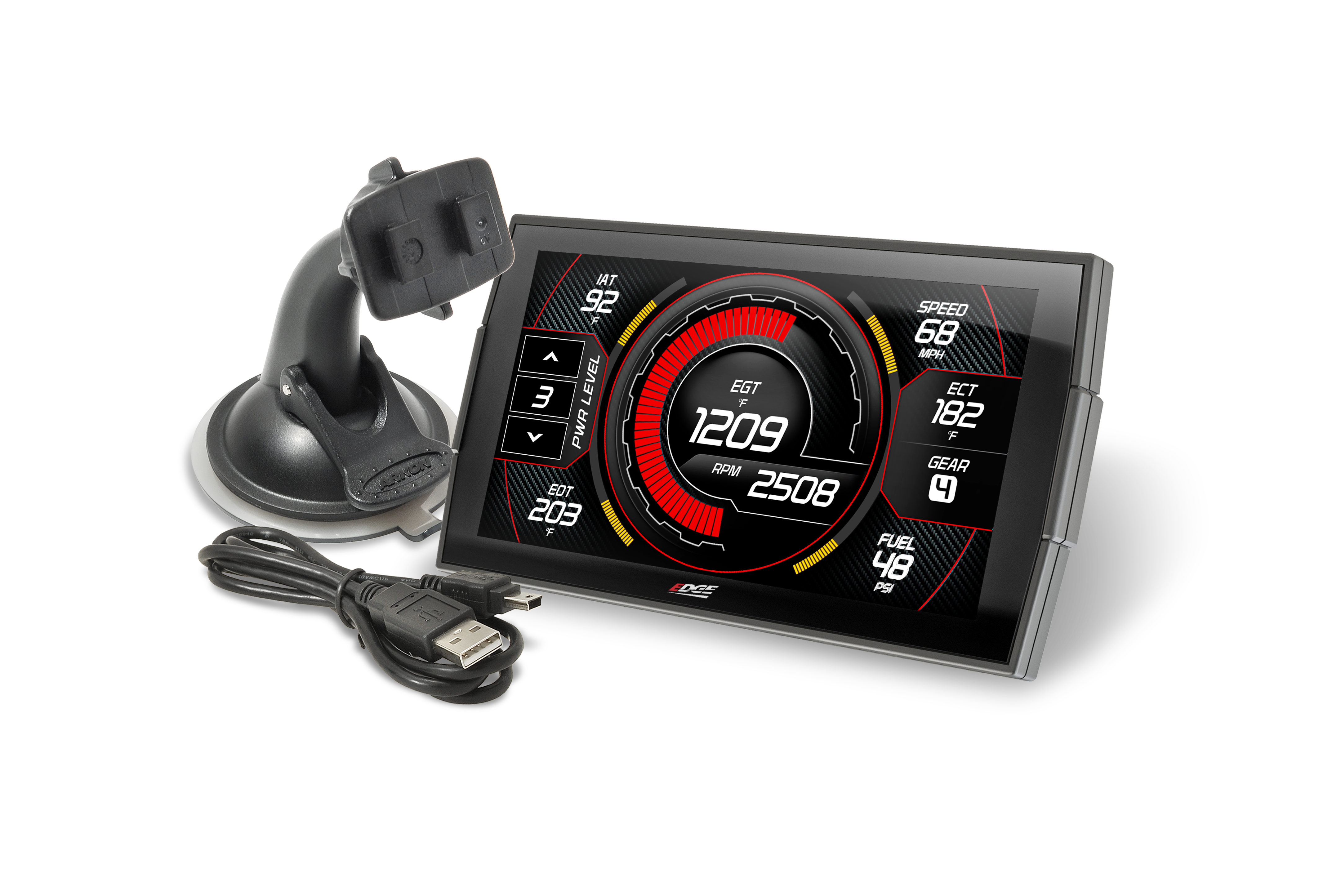
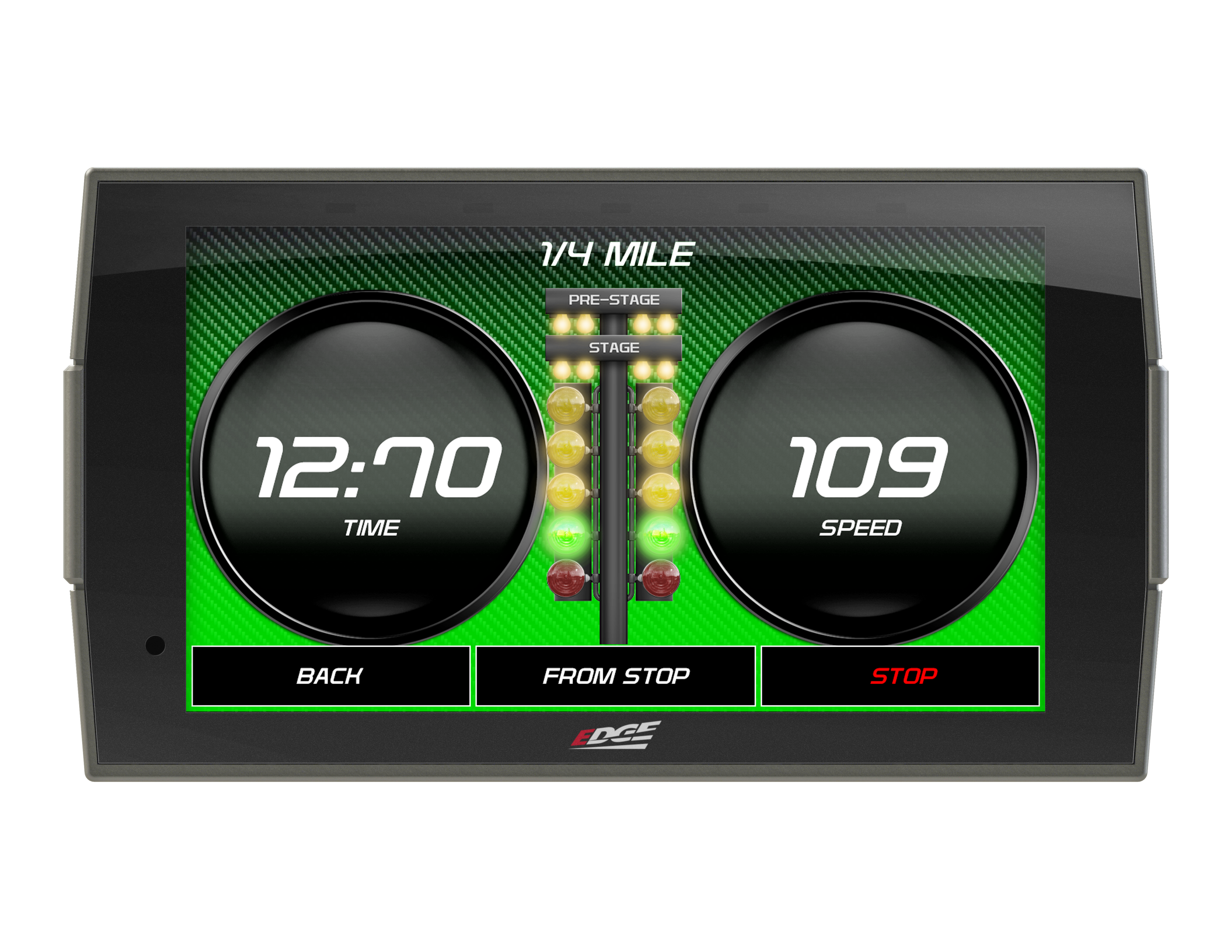
- Custom tuning (required)
Featured Delete Kit Options
- Ford Powerstroke 6.7L All-In-One Delete Kit (2011-2019)
- Ford Powerstroke 3.0L All-In-One Delete Kit w/ Delete Pipe (2018-2019)
- Ford Powerstroke 6.0L EGR & Cooler Delete Kit with Up-pipe (2003-2007)
What Changes Mechanically
Once restrictions are removed:
- Exhaust flows freely out of the turbo
- Lower EGTs (exhaust gas temps)
- Reduced soot buildup in intake components
- More consistent engine operation under load
Exhaust Systems: The Foundation of Performance
Even if you’re not going all-in on a full setup, upgrading the exhaust is one of the most noticeable changes you can make.
Common Powerstroke Exhaust Configurations
1. Turbo-Back Systems
- Full replacement from turbo outlet
- Maximum flow improvement
- Best for heavily modified trucks
Example:
2. Downpipe-Back Systems
- Replaces everything after the downpipe
- Easier install
- Strong balance of performance and cost
Example:
3. Filter-Back Systems
- Keeps emissions equipment in place
- Improves sound and minor flow
- Good entry-level upgrade
Example:
4. Cat & DPF Delete Pipes
- Removes the most restrictive sections
- Major reduction in backpressure
- Typically paired with tuning
Example:
How Delete Kits and Exhaust Work Together
Think of it like this:
- The delete kit removes restrictions
- The exhaust system allows the engine to breathe properly
- The tune ties everything together
Without proper exhaust flow, you’re leaving performance and efficiency on the table.
Installation Overview (High-Level)
This isn’t a “bolt-on in 30 minutes” job, but it’s also not out of reach if you’re mechanically inclined.
General Process
- Lift and safely support the truck
- Remove factory exhaust sections
- Install race pipe or upgraded exhaust
- Address EGR components (if applicable)
- Install sensors or block-offs as needed
- Load appropriate tuning
Tips from the Garage
- Soak bolts in penetrating oil ahead of time
- Expect stubborn clamps and rust on older trucks
- Label sensors and connectors during removal
- Plan extra time for tight turbo connections
Real-World Benefits (What Owners Notice)
This isn’t just spec-sheet stuff—here’s what typically changes:
- Lower exhaust temps under load
- More consistent towing performance
- Reduced regen-related issues
- Improved throttle response
- Cleaner engine internals over time
Choosing the Right Setup
Not every truck needs the same approach.
Mild Build
- Filter-back or downpipe-back exhaust
- Monitoring (gauges or tuner)
Moderate Build
- Turbo-back exhaust
- Supporting tuning
- EGR considerations
Full Build
- Complete delete setup
- Turbo-back system
- Custom tuning strategy
FAQs: Ford Powerstroke Delete & Exhaust
1. Do I need tuning with a delete kit?
Yes. Once emissions components are removed or altered, custom tuning is required for the truck to run properly.
2. Will an exhaust upgrade alone make a difference?
Yes. Even without a full delete setup, a better exhaust improves:
- Flow
- Sound
- Heat management
3. What’s the difference between 4” and 5” exhaust?
- 4”: Great balance of performance and fitment
- 5”: Maximum flow and more aggressive sound
4. Is installation the same across all Powerstroke engines?
No. Fitment and process vary between:
- 6.0L
- 6.7L
- 3.0L
5. Why do people upgrade these systems?
Common reasons include:
- Reducing restriction and heat
- Simplifying engine systems
- Improving long-term drivability in demanding use
Final Thoughts
Powerstroke trucks are solid platforms right out of the box—but like most diesel setups, they really wake up when you improve airflow and simplify what’s happening under the hood.
Whether you’re just looking for a better exhaust note or researching a full setup, understanding how these systems work together will save you time, money, and headaches.
Browse all available parts here:
https://jsspeedshop.ca/collections/ford-powerstroke
Note: Products discussed are intended for off-road or competition use only. Always check local regulations before modifying emissions-related components.
Contact Us Today for Expert Advice
Ready to boost your vehicle's performance? Contact JS Speed Shop for expert recommendations on delete kits and tuning solutions.